History and trivia
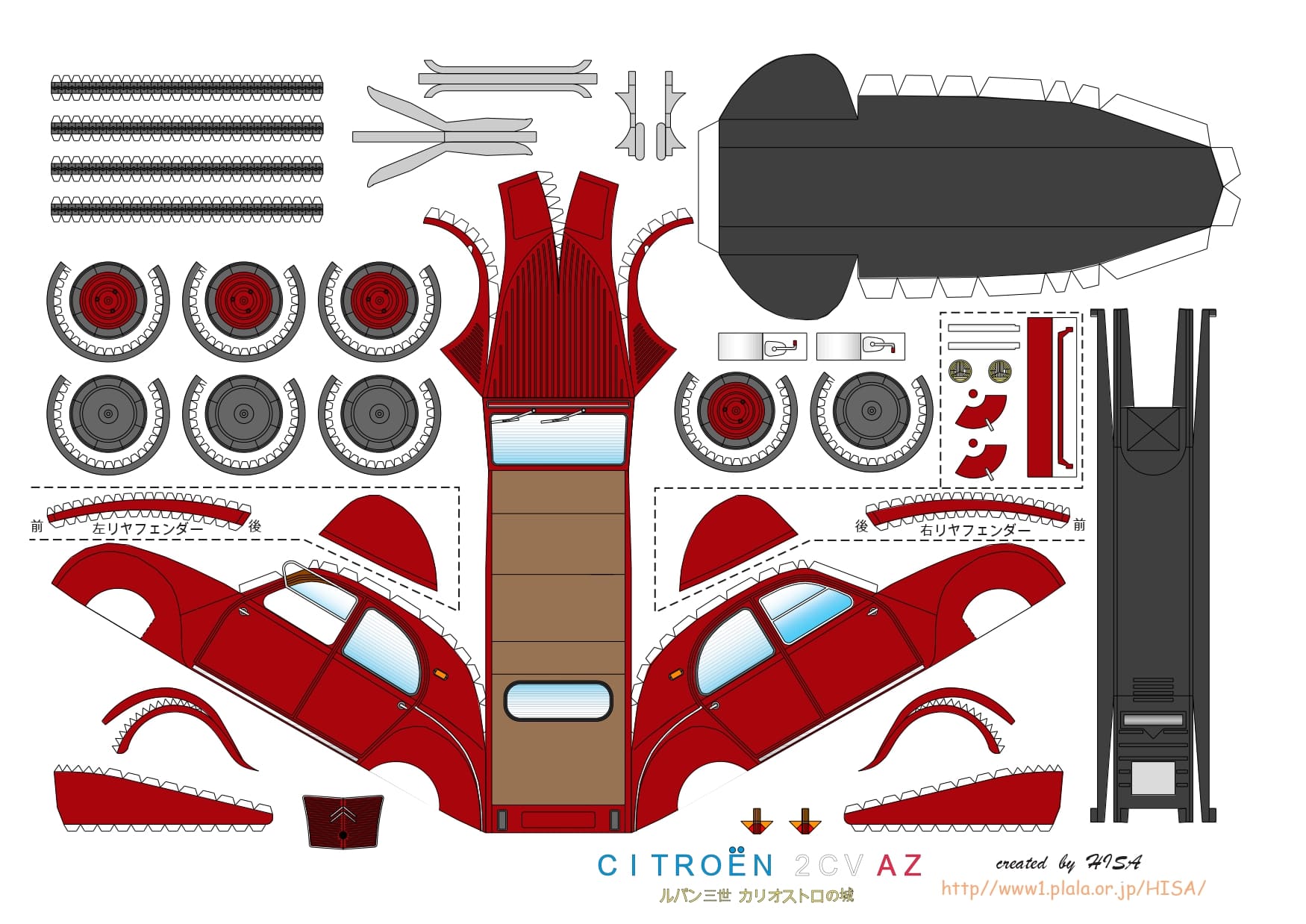
The Citroën 2CV AZ arrived in the mid-1950s as an evolution of the original 2CV, fitted with a larger air-cooled flat-twin engine than the earliest cars. The change answered complaints from early buyers, who found the first 2CV too slow for comfortable road use, and let the AZ reach a noticeably higher top speed without giving up the low running costs that had made the model famous. Mechanically simple and easy to repair, it quickly became one of the best-selling variants of the range in France and across much of Europe.
The 2CV AZ kept faith with the project's original brief: a car built for farmers and budget-conscious families, able to handle rough tracks, carry bulky loads thanks to its long-travel suspension and roll-back canvas roof, and cross uneven ground without damaging whatever cargo sat in the boot, per Citroën's famous original design requirement. Its light, easy-to-service engine went on to form the basis for later, more powerful variants and other models derived from the 2CV, including the AZU van.