History and trivia
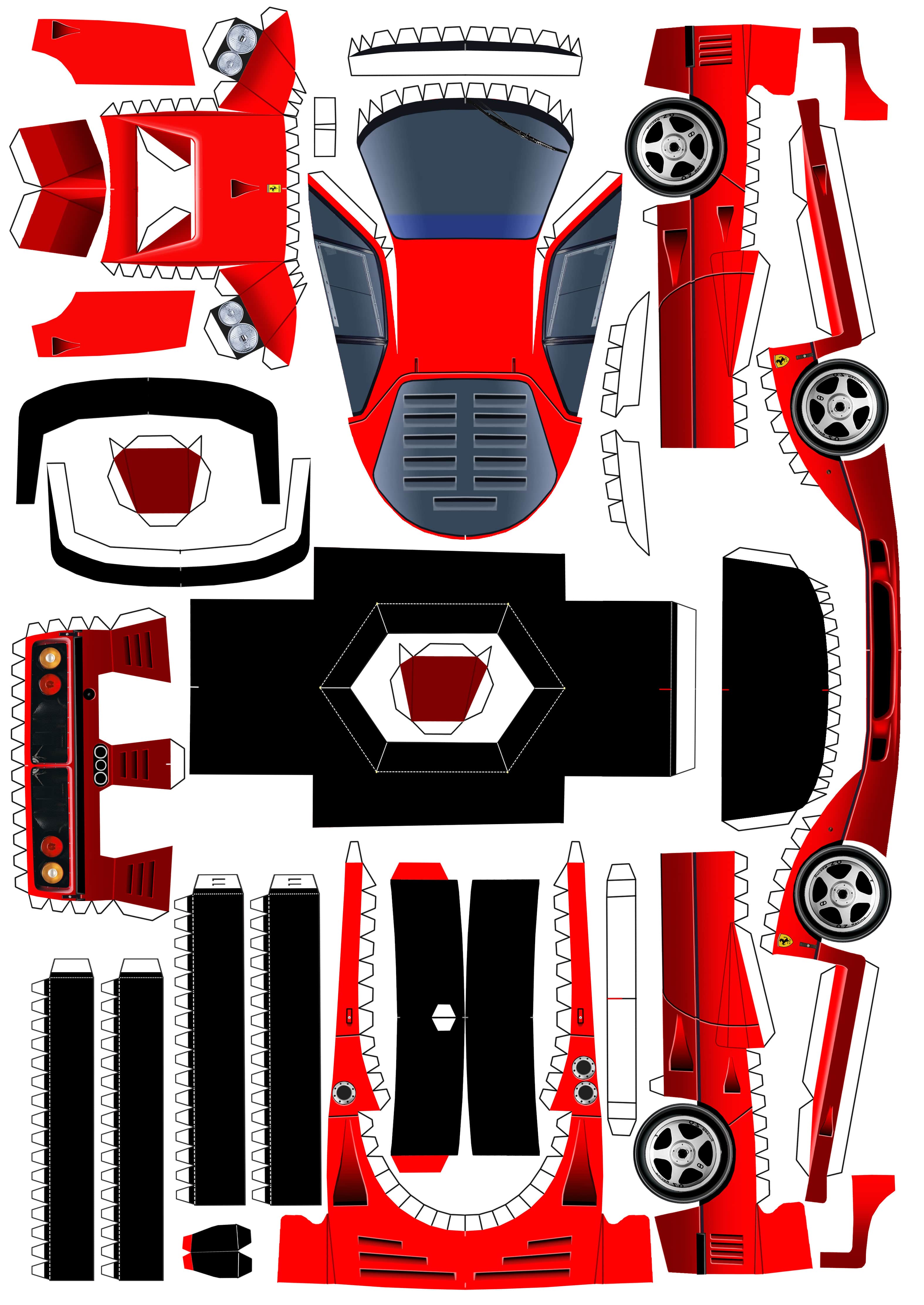
The Ferrari F40 debuted in 1987 to mark the marque's 40th anniversary and was the last model personally approved by Enzo Ferrari before his death. Conceived as an extreme evolution of the 288 GTO, it prioritized minimal weight above all: a fiberglass and Kevlar body, a stripped-out cabin without carpets or comfort features, and a twin-turbo V8 that made it one of the fastest road cars of its day. That road-going base later spawned competition versions, including GTE variants built to race in grand touring championships.
Competition-spec F40s racked up numerous wins in endurance races and GT championships through the 1990s, extending on track around the world the legend the road car had already built. The F40 was also the last production Ferrari with pure rear-wheel drive and no electronic aids such as ABS, making it a benchmark of analog driving for the marque's enthusiasts. Its Pininfarina-penned design, with the iconic rear wing and NACA ducts, is still regarded as one of the most influential in Ferrari's history.